Confused between an RV, motorhome, and campervan? The differences, costs, and travel benefits. What’s right option for you. Learn more here.
If you’ve ever dreamed about hitting the open road with everything you need packed into one vehicle, you’ve probably come across terms like RV, motorhome, and campervan. At first glance, they all seem to describe the same thing—a vehicle you can travel, sleep, and even cook in. But while they’re closely related, each has distinct characteristics that can significantly impact your travel experience.
Understanding the difference isn’t just about terminology. It’s about choosing the right vehicle for your lifestyle, budget, and the kind of adventure you’re planning. Whether you’re planning a quick weekend getaway, a cross-country road trip, or even full-time van life, knowing how these options compare will help you make a confident and informed decision.
Let’s break it all down.

What is an RV?
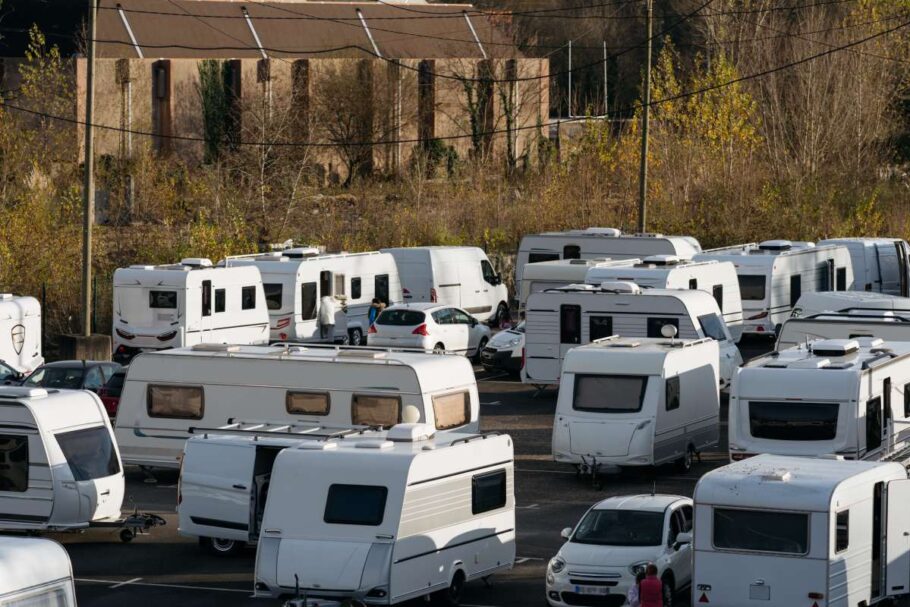
The term “RV” stands for Recreational Vehicle, and it’s best understood as an umbrella category rather than a specific type of vehicle.
An RV includes:
- Motorhomes
- Campervans
- Travel trailers
- Fifth-wheel trailers
- Pop-up campers
In simple terms, if it’s designed for travel and includes living accommodations, it falls under the RV category.
The term “RV” is most commonly used in North America, particularly in the United States and Canada. However, in Australia and other parts of the world, people are more likely to use terms like “motorhome,” “campervan,” or “caravan.”
So when comparing RV vs motorhome vs campervan, remember this: motorhomes and campervans are both types of RVs.
What is a Motorhome?
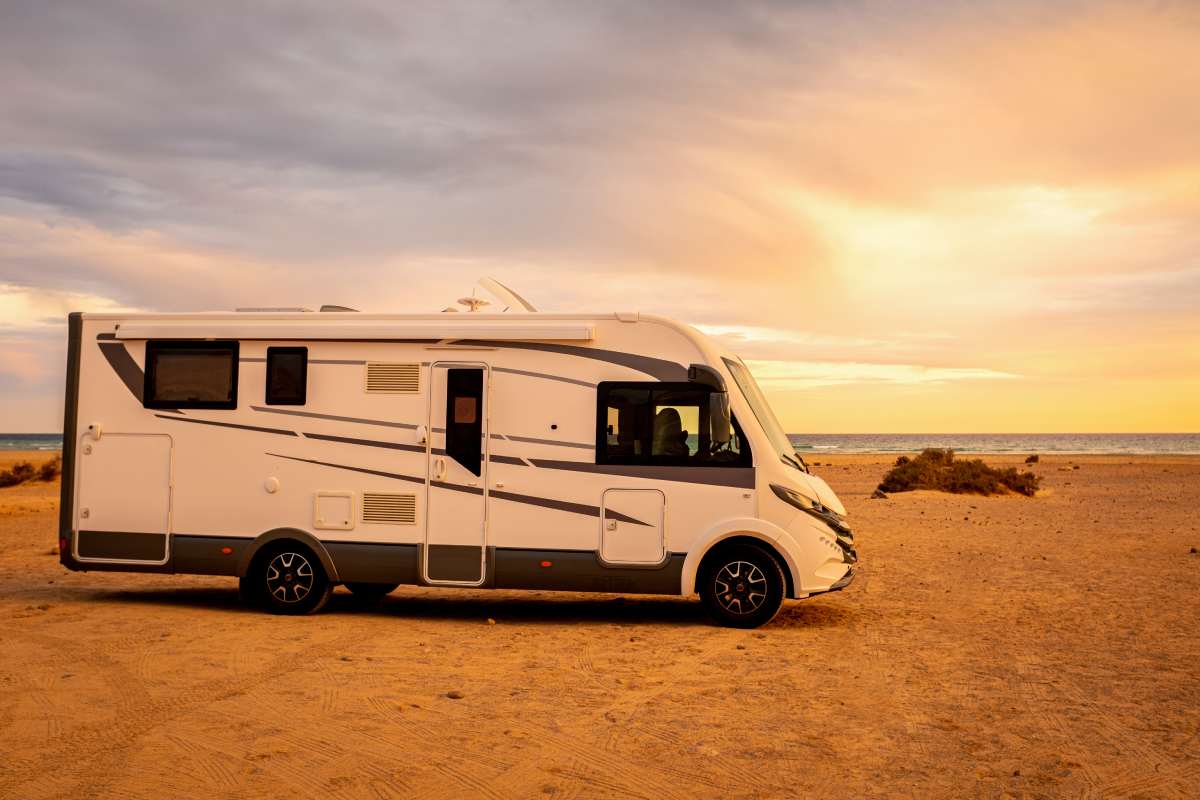
A motorhome is a self-contained RV where the driving and living areas are integrated into one unit. Unlike towable caravans or trailers, you don’t need a separate vehicle to move it.
Motorhomes come in several classes:
Class A Motorhomes
These are the largest and most luxurious. Think of them as homes on wheels, often featuring:
- Full kitchens
- Multiple sleeping areas
- Bathrooms with showers
- Entertainment systems
They’re ideal for long-term travel or families who want maximum comfort.
Class B Motorhomes
Also known as campervans in some regions, these are smaller and built on van chassis. They offer:
- Compact living spaces
- Basic kitchen and sleeping areas
- Better fuel efficiency
Class C Motorhomes
These sit between Class A and Class B. They typically have:
- A distinctive over-cab sleeping area
- More space than Class B
- Easier handling than Class A
Motorhomes are widely used in Australia, New Zealand, and the UK, making them a familiar term for many travellers.
What is a Campervan?
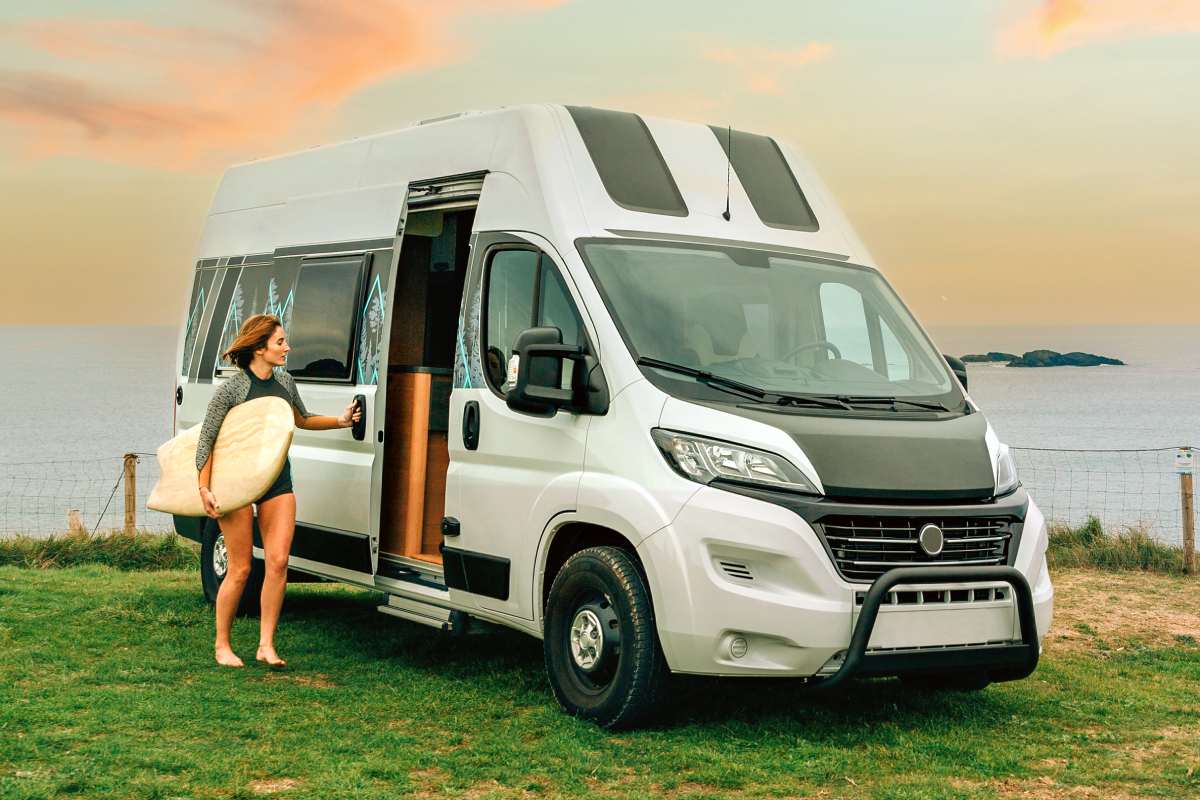
A campervan is essentially the smallest and most agile member of the RV family.
Built from a standard van, campervans are designed to maximise space efficiency while still providing essential living features. Most campervans include:
- A bed (often convertible from seating)
- A small kitchenette
- Storage compartments
- Sometimes, a compact toilet or outdoor shower setup
Campervans are especially popular among:
- Solo travellers
- Couples
- Budget-conscious adventurers
They offer a minimalist, flexible way to travel without sacrificing the essentials.
Key Differences: Motorhome vs Campervan
While both fall under the RV category, the differences between motorhomes and campervans can dramatically affect your experience on the road.
1. Size and Space
Motorhomes are significantly larger and provide a more spacious living environment. You’ll often find:
- Separate bedrooms
- Dedicated dining areas
- Larger kitchens
- Ample storage
This makes them ideal for families or long-term travellers.
Campervans, on the other hand, are compact. Space is limited, but cleverly designed. Everything is multi-functional, which suits short trips or minimalistic lifestyles.
2. Comfort and Amenities
If comfort is your top priority, motorhomes take the lead.
Motorhomes can include:
- Full bathrooms with showers
- Air conditioning and heating
- Entertainment systems
- Large refrigerators
Campervans focus on practicality:
- Basic cooking facilities
- Foldable beds
- Limited bathroom options
Despite being simpler, modern campervans are impressively well-designed and can still feel cosy and functional.
3. Driving and Manoeuvrability
This is one of the biggest deciding factors.
Motorhomes:
- Require more skill to drive
- Can be difficult to park
- May need a special licence depending on size
- Less suitable for narrow roads or urban areas
Campervans:
- Drive much like a regular car
- Easy to park
- Ideal for city driving and tight spaces
- Better for spontaneous travel
If you’re new to driving large vehicles, a campervan is usually the safer choice.
4. Cost and Budget
Budget plays a huge role in choosing the right vehicle.
Motorhomes:
- Higher purchase or rental cost
- Higher fuel consumption
- More expensive maintenance
Campervans:
- More affordable upfront
- Better fuel efficiency
- Lower running costs
For travellers looking to keep expenses down, campervans offer excellent value.
5. Accessibility and Travel Flexibility
Where you plan to travel matters just as much as how you travel.
Motorhomes:
- Best suited for established campgrounds
- Limited access to remote or tight areas
- May require planning ahead
Campervans:
- Can access smaller campsites
- Ideal for off-grid adventures
- Easier to navigate remote or urban locations
If flexibility and exploration are high on your list, campervans offer more freedom.
Choosing the Right Option for Your Travel Style
The best vehicle for you depends on how you plan to travel.
Full-Time Travellers and Families
If you’re travelling for extended periods or with a group, a motorhome offers:
- More space
- Better comfort
- A home-like experience
It’s ideal for those who prioritise convenience and don’t mind the added cost.
Couples and Solo Travellers
Campervans are perfect for:
- Short trips
- Flexible travel plans
- Minimalist lifestyles
They allow you to move freely and explore without the stress of handling a large vehicle.
Weekend Adventurers
If your trips are occasional and short, a campervan is usually the better choice. It’s easier to manage and doesn’t require as much planning.
Motorhome vs Campervan: Which One Wins?
There’s no one-size-fits-all answer.
- Choose a motorhome if you want comfort, space, and a home-on-wheels experience.
- Choose a campervan if you value flexibility, affordability, and simplicity.
Both options offer incredible ways to explore Australia (or anywhere in the world), and the right choice ultimately depends on your priorities.
One Important Thing Many Travellers Overlook: Transporting These Vehicles
While most people focus on choosing between an RV, motorhome, or campervan, there’s another practical consideration that often gets overlooked—how to move these vehicles when you’re not driving them yourself.
Situations where this becomes important include:
- Relocating interstate
- Buying or selling a vehicle in another state
- Breakdowns during a trip
- Transporting a vehicle for repairs or storage
Unlike standard cars, moving larger vehicles like motorhomes and even campervans requires specialised equipment and expertise.
This is where Interstate Vehicle Towing AU comes into play.
Whether you’re transporting a compact campervan or a full-sized motorhome, working with a professional towing service ensures:
- Safe handling of your vehicle
- Proper equipment suited to size and weight
- Reduced risk of damage during transit
- A stress-free logistics process
For travellers across Australia, having access to a reliable interstate towing provider can make a significant difference—especially when plans don’t go as expected.
Final Thoughts
Understanding the difference between RVs, motorhomes, and campervans is essential for choosing the right travel companion. Each option offers unique benefits, from the spacious luxury of motorhomes to the agile simplicity of campervans.
But beyond the excitement of choosing your ideal setup, it’s equally important to think about the practical side of ownership—especially when it comes to transporting these vehicles across long distances.
If you ever find yourself needing to move your RV, motorhome, or campervan across states, Interstate Vehicle Towing AU is a reliable solution worth considering. Their expertise ensures your vehicle gets where it needs to go safely, so you can focus on planning your next adventure instead of worrying about logistics.