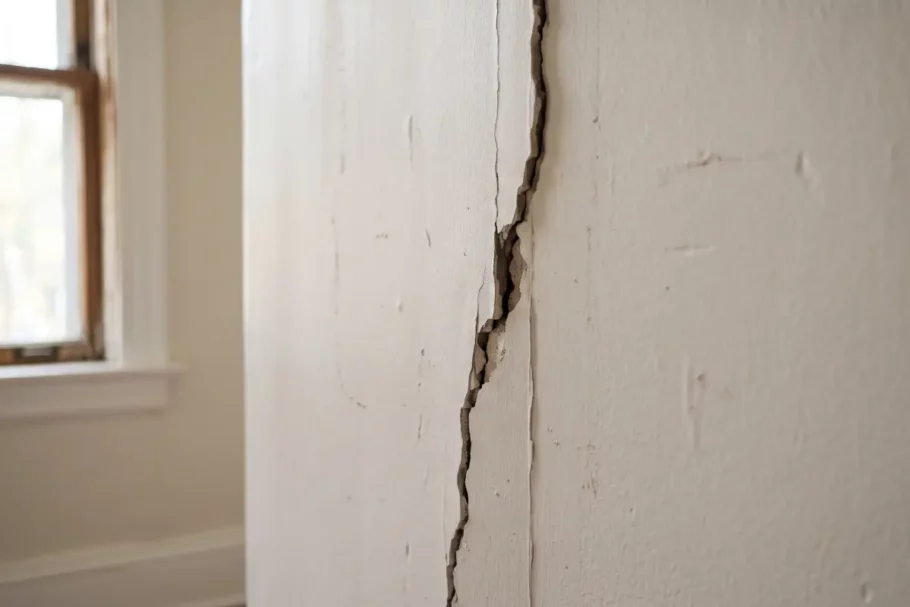
A proper plaster job in Australia has a cost floor near $25/m². Quotes far below it are cutting one of four things. Here’s how to spot which.
Quick answer: The typical saving on a cheap plastering quote for one room is $400 to $600. Re-sheeting that room after the job fails costs $600 to $2,500, plus repainting. Cheap plaster usually fails within 6 to 24 months, and the failure comes from four predictable shortcuts you can spot in the quote before you sign.
Table of Contents
- The Maths Behind a Cheap Quote
- The 4 Corners Cheap Jobs Cut
- The Failure Timeline: Month 1 to Month 24
- Why the Fix Costs More Than the Job
- When a Low Quote Is Actually Fine
- 5 Questions That Expose a Bad Quote
- The Verdict
Plaster is a substrate, not a finish. Paint, cornices and lighting all sit on top of it, so when the plaster moves or cracks, you redo everything above it too. This article shows where cheap jobs cut, what that looks like on your walls a year later, and how to separate a genuinely competitive quote from a corner-cutting one.
The Maths Behind a Cheap Quote
A proper job has a cost floor. Quotes far below it are removing something, and it is never the profit.
Standard plasterboard installation in Australia runs $25 to $65 per square metre for supply, fixing, setting and finishing. Labour alone is $50 to $120 per hour, and board supply adds $8 to $18 per square metre.
Here is a worked example for a 40 m² room, walls plus ceiling, using those sourced rates:
| Cheap quote ($20/m²) | Proper quote ($35/m²) | |
| Upfront cost | $800 | $1,400 |
| Stopping coats | 1–2, minimal sanding | 3 coats, sanded between each |
| Cornice & beading | Excluded or “extra” | Included in writing |
| Water-damaged board | Patched over | Fully replaced |
| State at 24 months | Cracked joints, popped screws | Stable, paint holding |
| Rectification | $600–$2,500 re-sheet + repaint | $0 |
| Realistic 5-year total | $1,400–$3,300+ | $1,400 |
The bottom row is the whole argument. The cheap path ends up costing at least the proper price, often double, with failing walls in between.
The maths above applies whether you’re comparing quotes for regular plaster and venetian plaster or for standard plasterboard, since the cost floor is driven by labour and coats, not the finish name.
The 4 Corners Cheap Jobs Cut
Board and compound cost what they cost. The discount always comes out of time and process.
1. Stopping coats
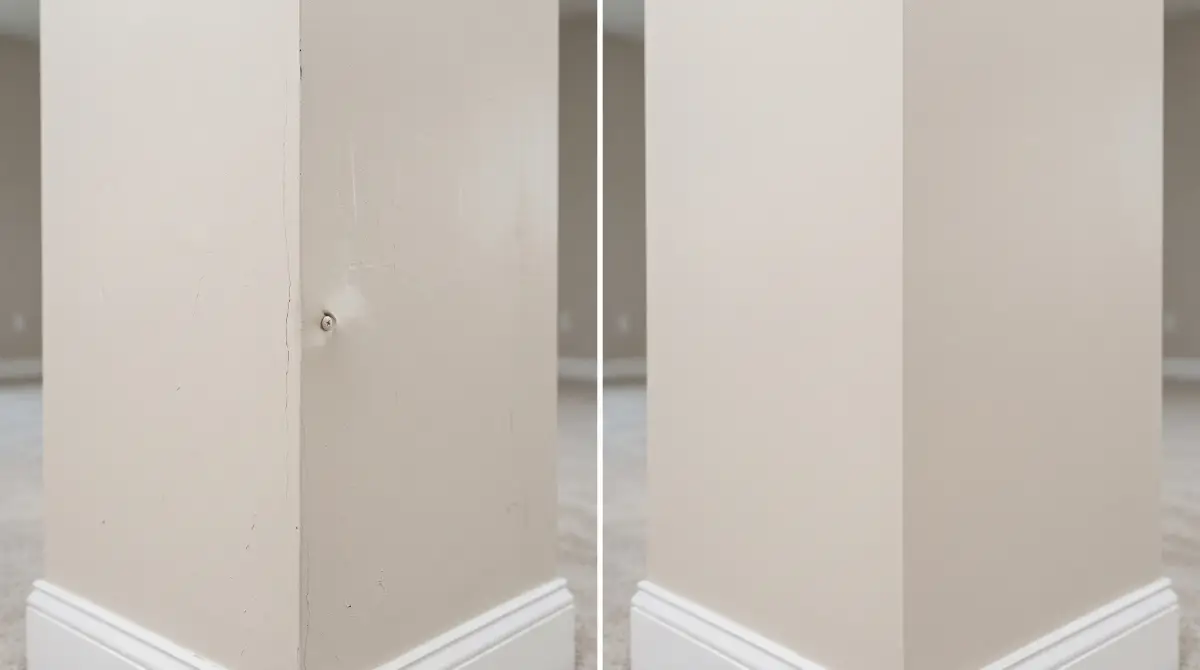
Standard finishing requires three coats of compound with sanding between coats. Cutting to one heavy coat saves a day of labour. It looks identical on handover day and stops looking identical the first time light rakes the wall.
2. Surface preparation
Damaged and uneven walls are exactly what pushes legitimate quotes higher. Prep hours add nothing visible, so cheap operators plaster over the problem instead. The problem does not stay covered.
3. Water-damaged board
Wet plasterboard must be fully replaced, never patched, and mould remediated first. Patching over it is the most common budget shortcut in older homes: staining, soft spots and mould all return through fresh paint.
4. Cornice and beading
Cornice runs $15 to $60 per lineal metre, so budget quotes exclude it to look cheaper on paper, then bill it as a variation. Confirm it is inside the quoted figure before comparing numbers.
The Failure Timeline: Month 1 to Month 24
Cheap plaster rarely fails at handover. It fails on a schedule.
Months 1–6: paint problems. Fresh plaster needs 2 to 7 days to cure before painting, longer in humidity. Rushed jobs get painted early, so the paint peels as trapped moisture escapes. The painter gets blamed. It isn’t the painter.
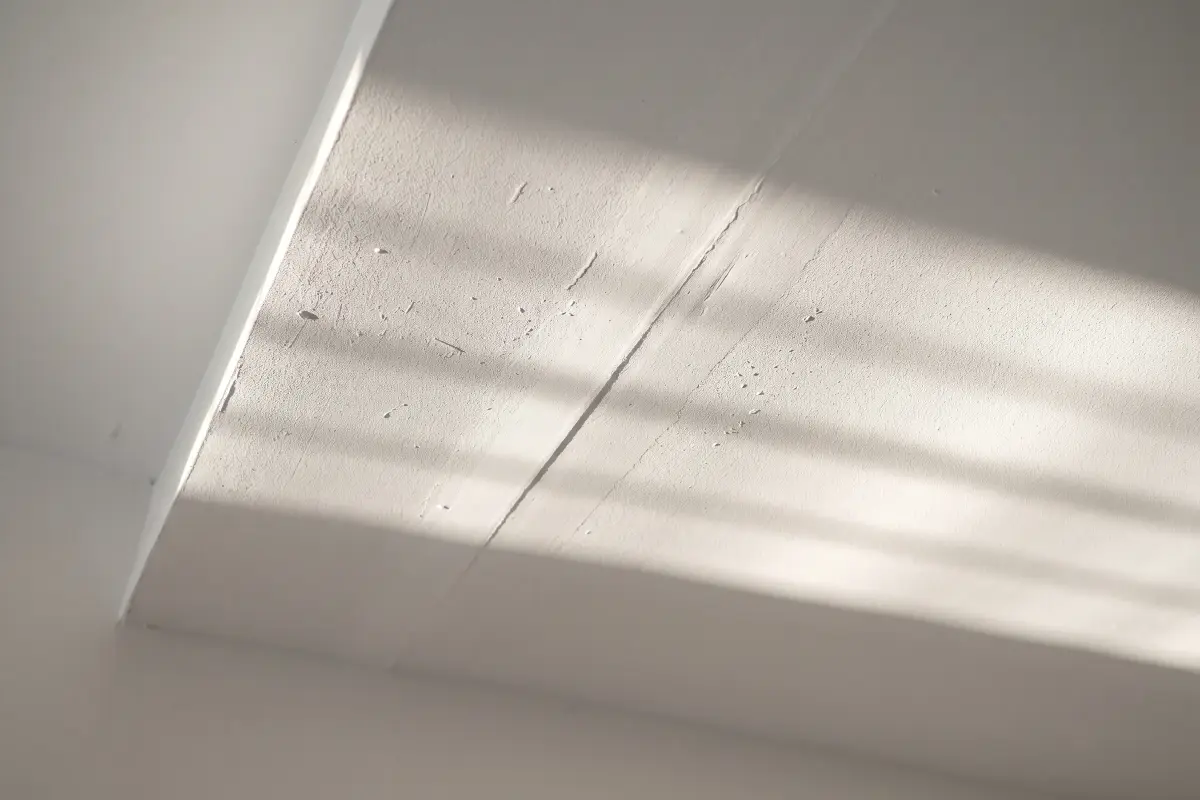
Months 6–12: joints appear. Under-stopped joints “photograph” through paint in raking light, first as shadow lines, then ridges. Under-filled screw heads pop as the frame shifts.
Months 12–24: cracking. Skipped prep and under-fixed sheets crack along joints and cornice lines as the frame moves with the seasons. At this stage subpar work means expensive repairs and rework, because you are pulling sheets, not touching up.
Why the Fix Costs More Than the Job
Rectification is never a mirror of the original job. Three extra costs stack on top.
- Demolition. Failed sheets come off and go to the tip before anything new goes up. That labour and disposal never existed in the first job.
- Repainting. The paint on the failed plaster is a write-off, full stop.
- Matching. Blending new work into old pushes even simple patches toward the top of the $80 to $280 range.
Ceilings compound all three: expect 20 to 30 per cent more than walls, because ceiling board is heavier, needs temporary support, and is harder to finish cleanly.
When a Low Quote Is Actually Fine
A low price is a risk signal, not a guilty verdict. The test is whether the plasterer can explain the number.
Legitimate reasons a quote comes in low:
- A quiet fortnight, so the crew is discounting to keep moving
- Easy single-storey access, which genuinely keeps costs down
- You are supplying the board yourself
- A small, simple area with no repairs needed
“Quiet period, easy access, you’re supplying Gyprock” is an explanation. “We’re just cheaper” is not, because the cost floor above says otherwise. And stakes scale with the surface: a garage patch is a fine place to gamble. A gloss-painted ceiling under a north-facing window is not.
5 Questions That Expose a Bad Quote
Put every answer in writing.
- How many stopping coats, and to what level of finish?
Three coats, sanded, Level 4 under AS/NZS 2589 minimum. Level 5 where gloss paint or strong natural light hits the wall. Stopping is the one place a plasterer must not cut corners. - Is cornice and beading in this figure?
Including cornice in every quote is the only way to compare quotes fairly. - Who supplies the board, and what happens to water-damaged sheets?
Some plasterers supply board, others don’t, and damaged board gets replaced, never patched. - How long before I can paint?
Anyone who says “tomorrow” on fresh setting work is telling you they are rushing. - Are you licensed for this value of work?
Requirements vary by state, so check your regulator, for example, Queensland’s plastering drywall licence requirements via the Queensland Building and Construction Commission. Verifying licensing and reviews is the cheapest insurance against poor workmanship.
The Verdict
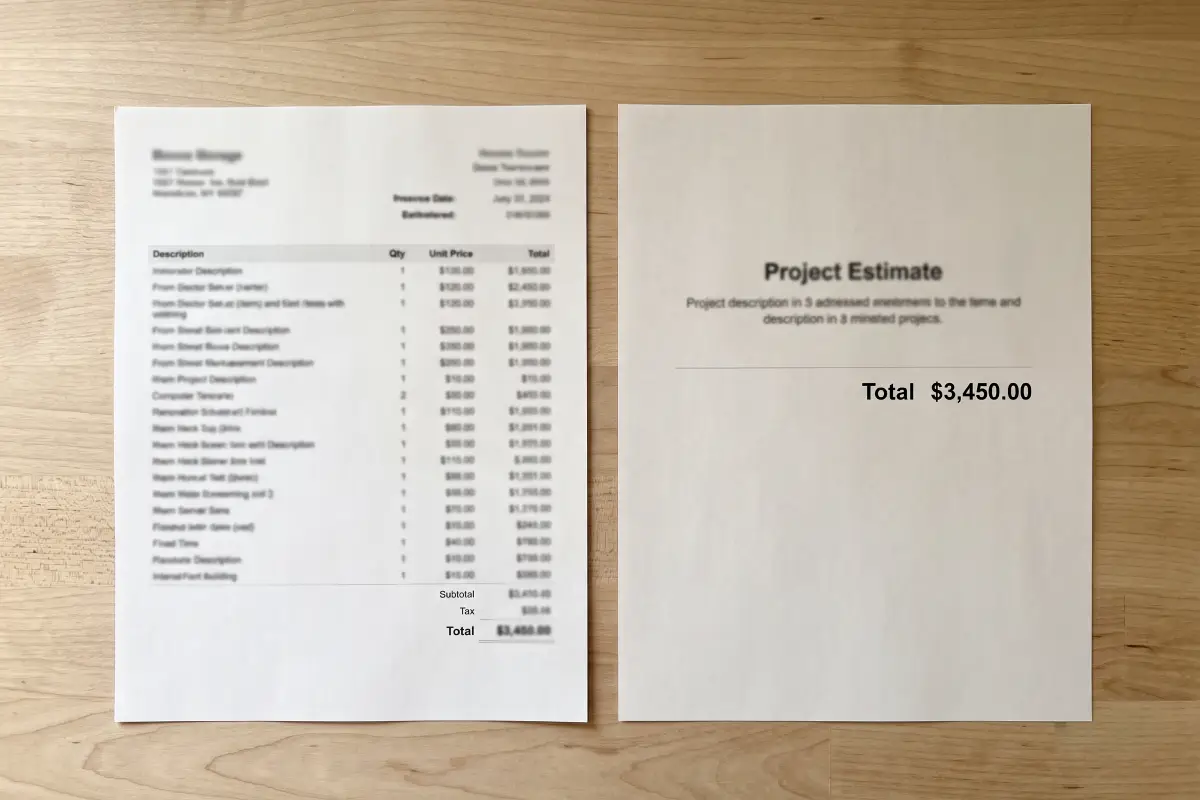
Cheap plastering usually costs more later, and the maths shows why: the typical saving on a room is a few hundred dollars, while re-sheeting after failure runs $600 to $2,500 before repainting. The discount is funded by cutting stopping coats, prep, damaged-board replacement and inclusions, and those cuts surface within 6 to 24 months.
But the honest answer is conditional, not absolute. A low quote backed by a real explanation, on a low-stakes surface, can be a genuine bargain. A low quote with no explanation, on a ceiling or a critical-light wall, is a deferred invoice.
So the rule is not “never take the cheap quote.” The rule is: make the plasterer show you where the saving comes from. If it comes from their calendar, take it. If it comes from the process, you will pay the difference later, with interest.
Not sure how to tell the difference on your own job? A written quote from an experienced local plasterer, like the team at Pro Plaster N Paint, should answer all five questions above without hesitation. If a quote can’t, that’s your answer before you’ve even signed anything.